Teaching
A summary
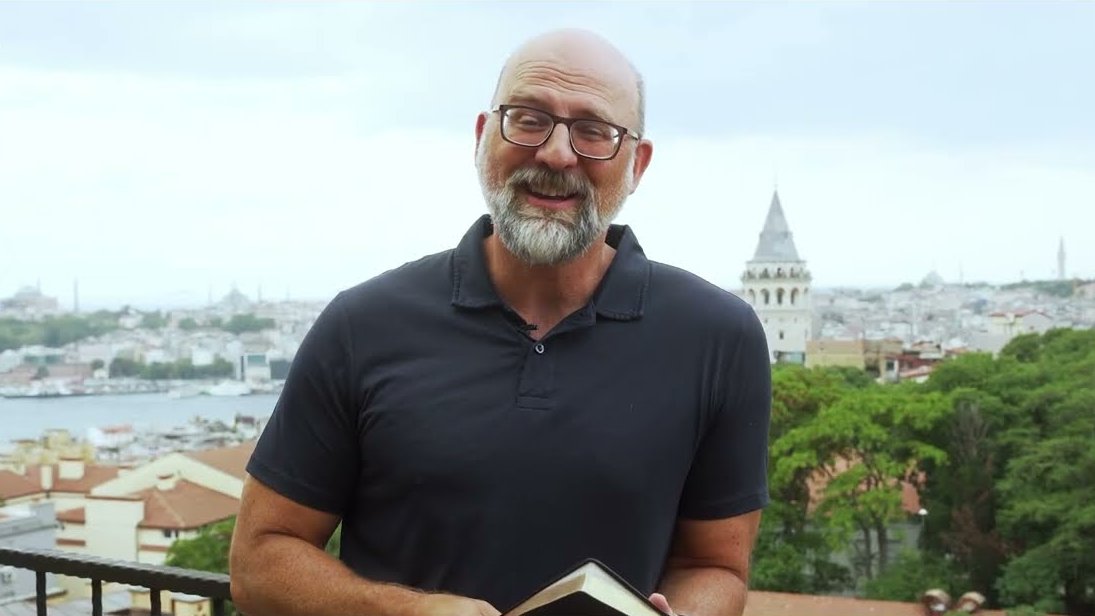
Jonathan Leeman, standing in Istanbul within sight of the Hagia Sophia, reflects on Paul in Ephesus and the riot of the idol makers. This teaching asks what effect the gospel is having in our lives, what kind of gospel we preach, and why Christianity depends on God's revelation in history.
Transcript
Jonathan Leeman (9Marks), “The effects of the gospel,” Field Notes, Enjoy Journal.
Hi, I’m Jonathan Leeman. I am standing here right now in Istanbul. You might be able to see over my right shoulder the Hagia Sophia. I don’t know if you can hear but right now I can actually hear calls to prayer, Muslim calls to prayer all around. Some from over there, some from over there. I went yesterday to the Hagia Sophia, which once upon a time was a Christian church. But then Muslims took it over and now it’s a mosque. It’s a temple dedicated to worshiping idols, you might say.
A lot of that has been happening in this place for 2,000 years in the land of Turkey where St. Paul got his ministry started, or didn’t begin but he continued going. Took it up here. It makes me think of the book of Acts and his arrival in Ephesus, which is few hours away from here down towards the coast. And you know the story in chapter 19 where he shows up and he’s been preaching the gospel and another temple or idol maker, Demetrius, recognizes that Paul’s preaching of the gospel is actually causing trouble for him. He says at one point to his fellow Artemis idol makers, “This trade of ours is coming into disrepute.” He’s upset. He says that they’re preaching that a god made with hands is not a god. In other words, Paul is preaching the gospel and that gospel begins to have an effect. In this case even an economic effect and eventually a political effect, or a riot.
And so the question I’m having as I’m looking around a city like this and I’m seeing mosques that are once churches: What kind of effect is the gospel having in our lives? Which means we need to back it up. What kind of gospel are we preaching? Are we preaching a gospel that calls for repentance and faith, and the faith of obedience, the obedience of faith? Are we preaching a full robust gospel? Are we teaching everything Christ commands and are we seeking to obey everything Christ commands?
Now finally, we’re not doing that work. We’re not preaching the gospel for the sake of economic or political or worldly effects of any kind. If changing this world is our goal, we’ve lost the gospel. Ultimately, we’re called to preach the kingdom of heaven because we know there will be a new heavens and a new earth and we’re calling people to be saved into it and to worship the God of the new heavens and the new earth.
What I want to leave you with is a recognition that the gospel should be changing our lives. It should be having an effect on our lives. But also the fact that God has revealed himself to us in his word and in history. Standing around here in Istanbul and thinking about the gospel’s effects and sometimes lack of effects as Christians were unfaithful makes me mindful of that. Christianity depends on the revelation of God and it depends on the revelation of God in history and whether or not those things are true. So, I mean to leave you with that today, thinking about the truth of God’s word and the truth of God’s word in history.
Keep going
More teaching